
Looking for a way to move your website to Namecheap and switch service providers? Having doubts about whether switching from GoDaddy to Namecheap is going to be worth it? If your current plan's cost no longer fits your budget. This guide may help you to finally switch.
GoDaddy attracts users with low entry rates, but steep renewal spikes and paid add-ons quickly drive up long-term costs. Namecheap, by contrast, focuses on transparent, stable pricing with core essential features built in from day one. A web migration is an important decision, and evaluating the true cost of ownership is essential before making the move.
Key points to consider:
When comparing hosting providers, entry-level promotional rates rarely tell the whole story. Long-term renewal costs and included features highlight key differences between GoDaddy and Namecheap.
For a complete comparison, including plan pricing, migration process specifics, and customer support channels, feel free to review the table below:
|
Feature |
Key difference |
||
|
Price *Prices as of October 2026 |
30-day free trial; then $2.28/mo advertised for the first year (annual billing). Annual renewal: $55.88/year (~$4.66/mo). Monthly renewal, if selected: $5.88/mo. |
$5.99/mo initial promo (requires 3-year term) $11.99/mo renewal. |
Namecheap: Lower renewal rates without forcing 36-month contract locks. |
|
Migration |
Free cPanel/WordPress migration completed within 24 hours. |
Free self-service tools; paid expert migration (up to 10 business days). |
Namecheap: Fast, free transfer within 24 hours. |
|
Downtime |
No more than 15 minutes of downtime during transfer (or get 1st year of hosting credited). |
No published downtime guarantee for website migration services. |
Namecheap: Protects business continuity with an explicit SLA and compensation if transfer downtime exceeds 15 minutes. |
|
Customer Support |
24/7 Live Chat and Email Support (No phone support). |
24/7 Phone, Live Chat and SMS Support. |
GoDaddy: Phone and SMS support access. |
|
Websites |
3 |
1 |
Namecheap allows hosting more sites. |
|
Storage |
20 GB SSD |
25 GB |
GoDaddy's hosting plan has slightly more storage. |
|
Email accounts |
30 mailboxes included |
100 mailboxes included |
GoDaddy offers more mailboxes. |
You can migrate your cPanel account from GoDaddy to Namecheap either manually or by taking advantage of Namecheap’s free Hosting Migration service.
For simple static HTML sites without a database, the process is quick: copy your website files from GoDaddy to Namecheap and update your nameservers.
Downtime depends on the migration method, website configuration, and DNS changes. Namecheap's 24-hour completion and no more than 15-minute downtime guarantees apply to eligible full cPanel migrations; partial and manual migrations may take longer.
To minimize disruption, keep the original website active on GoDaddy while you transfer and test the copy on Namecheap. Preview the new website before changing DNS, and avoid making changes to the old website during the final cutover unless you can synchronize them.
Follow the steps below if your site relies on a database such as WordPress or Joomla. This walkthrough specifically covers migrating a WordPress site, though the procedure is virtually identical for other database-driven CMSs.
The manual cPanel transfer involves three main stages:
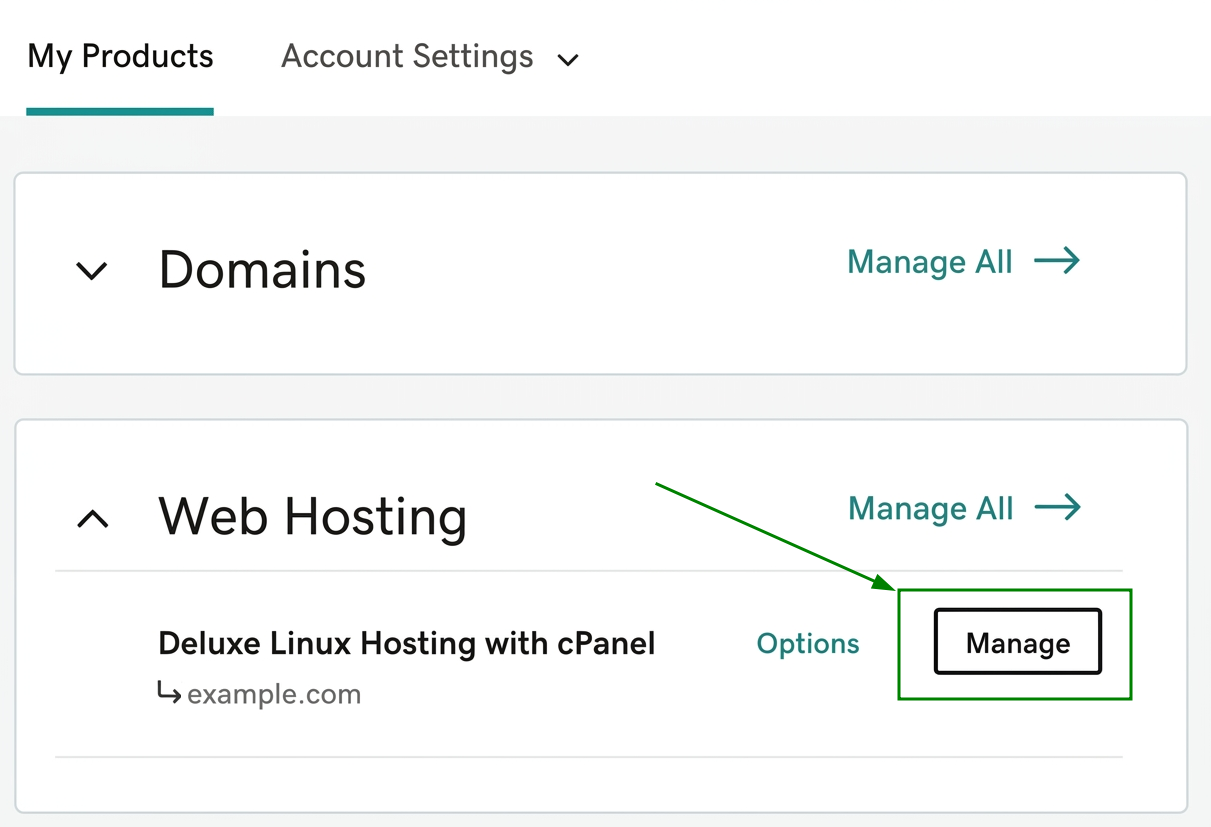
Log in to the cPanel hosting account you have with GoDaddy by going to the Web Hosting tab, next to Web Hosting (cPanel), and click Manage:
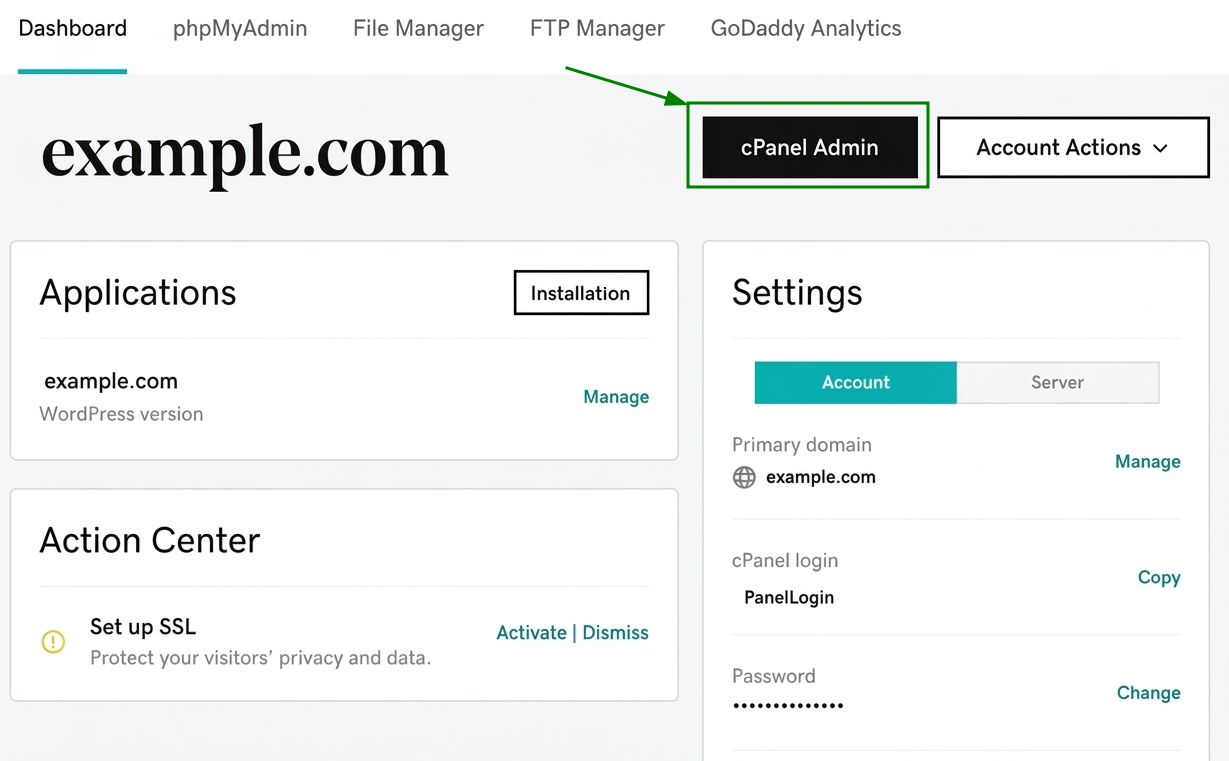
After that, you can click on cPanel Admin to enter the cPanel account dashboard.
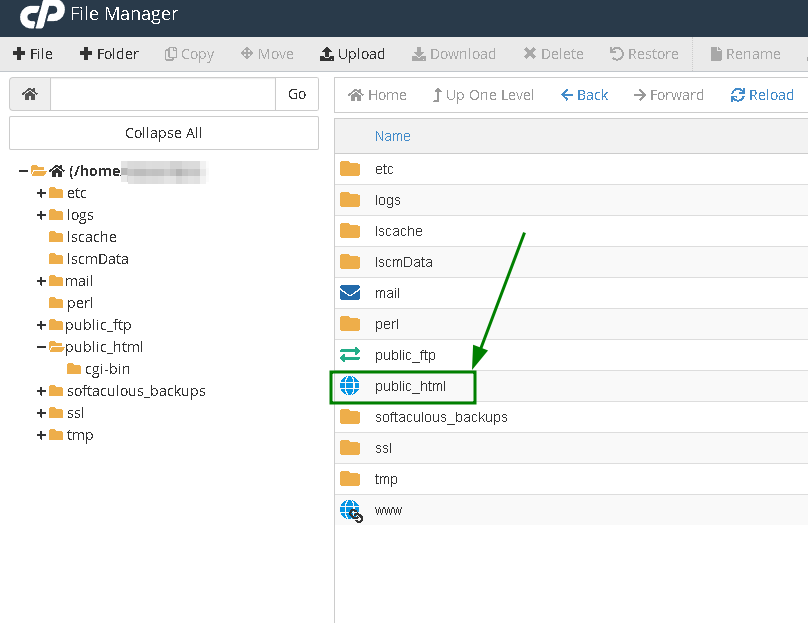
Then proceed to the cPanel > Files section > File Manager:

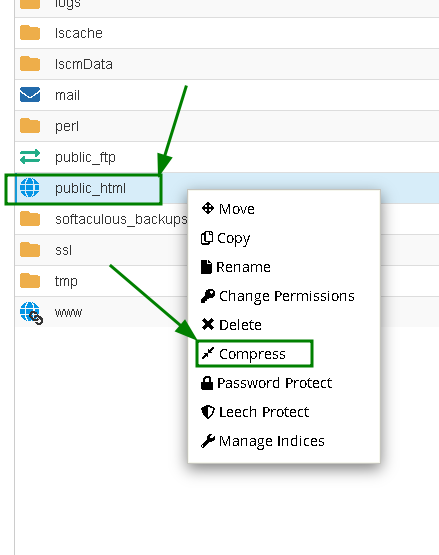
Right-click on the website root folder and compress it:
To download the site database, go to the My Products page under Hosting & WordPress:
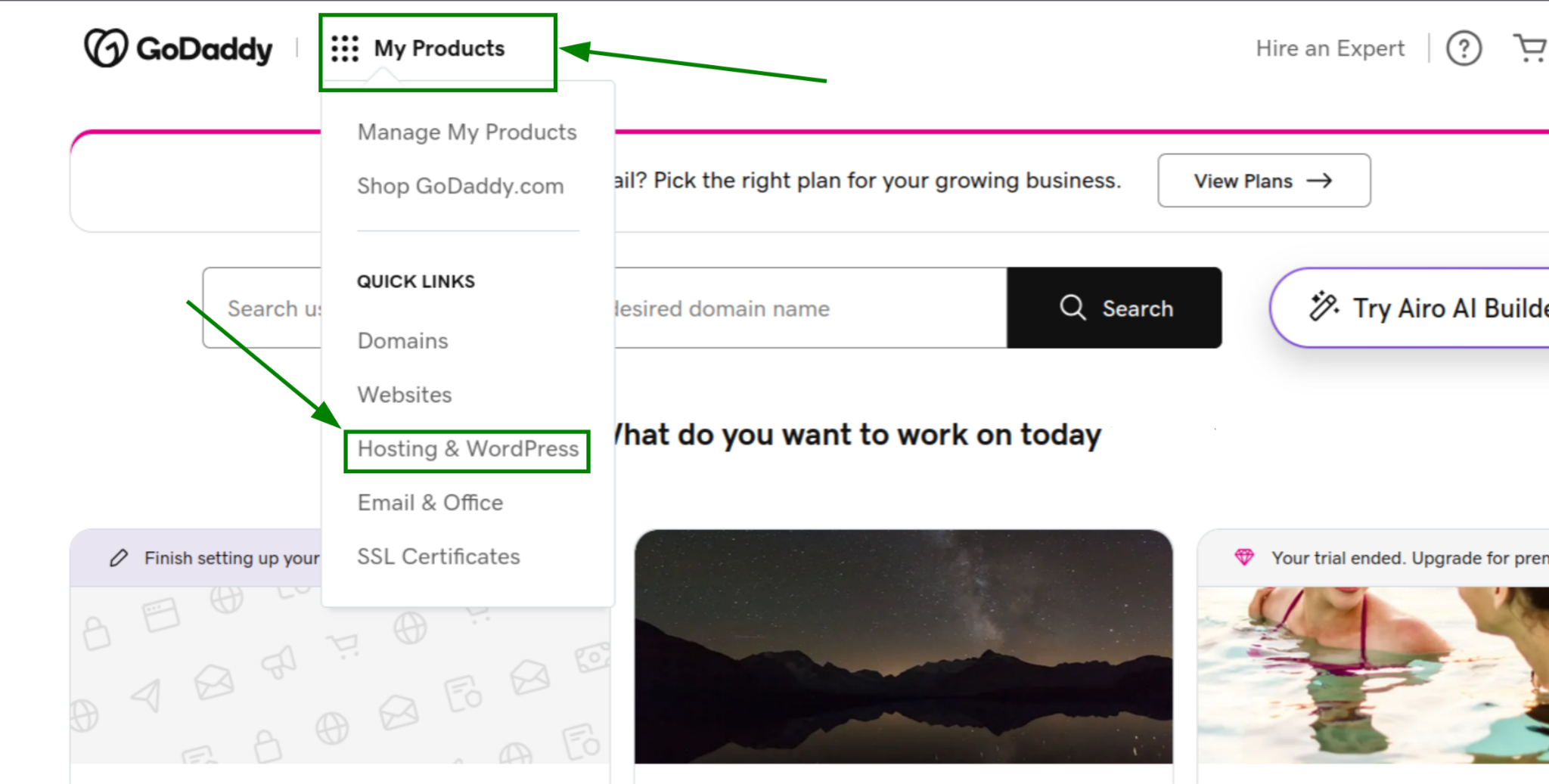
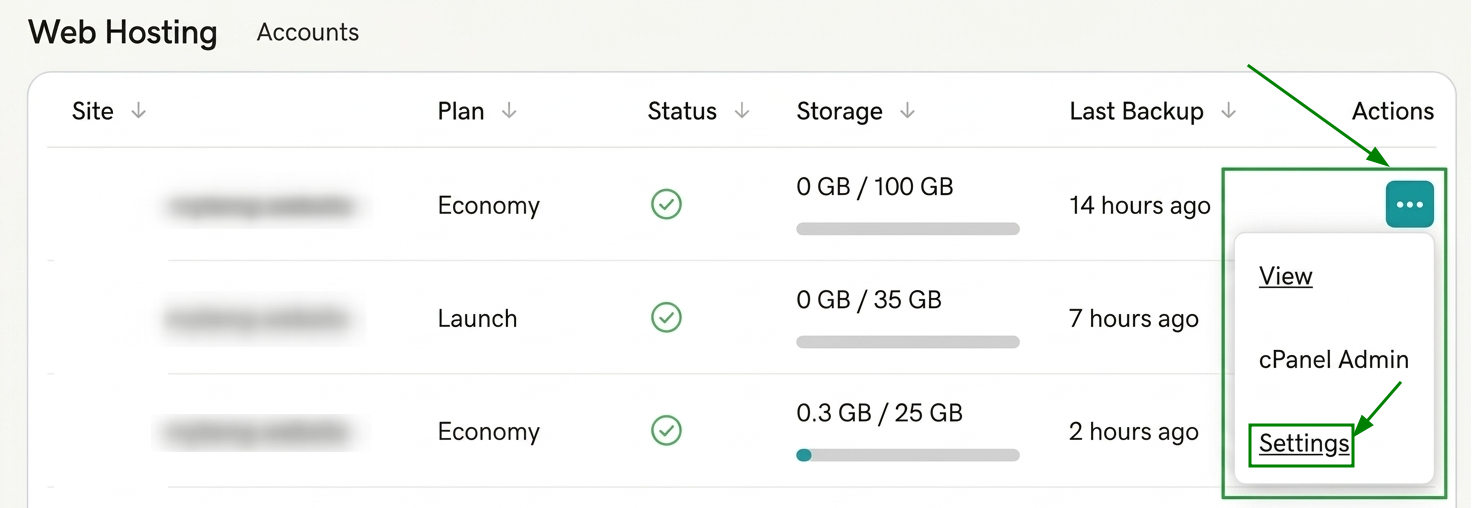
For the website you want to open phpMyAdmin on, select View from the settings menu represented by 3 horizontal dots:
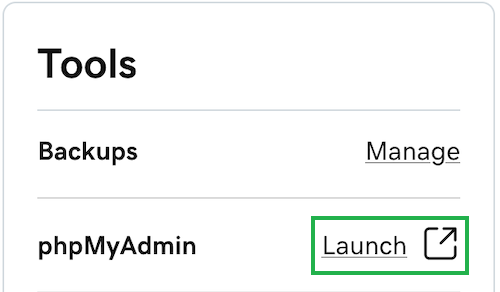
On the Dashboard tab, under Tools, select Launch next to phpMyAdmin:
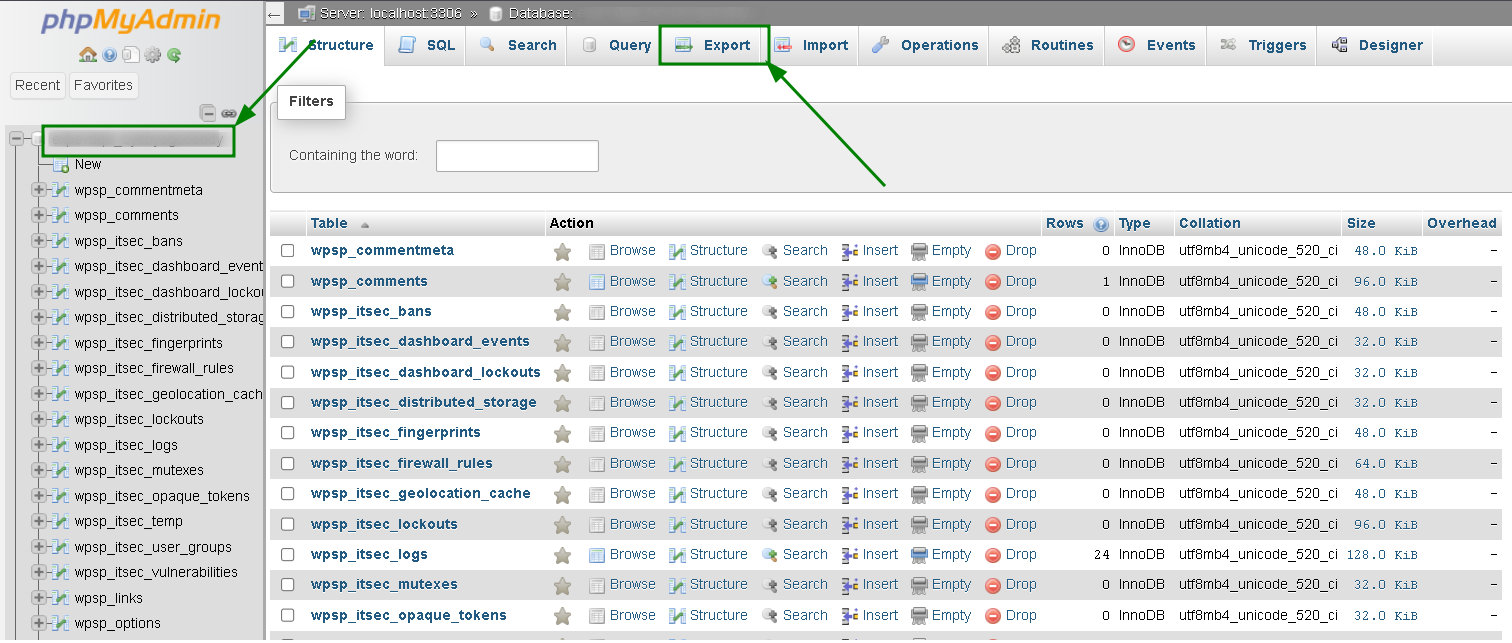
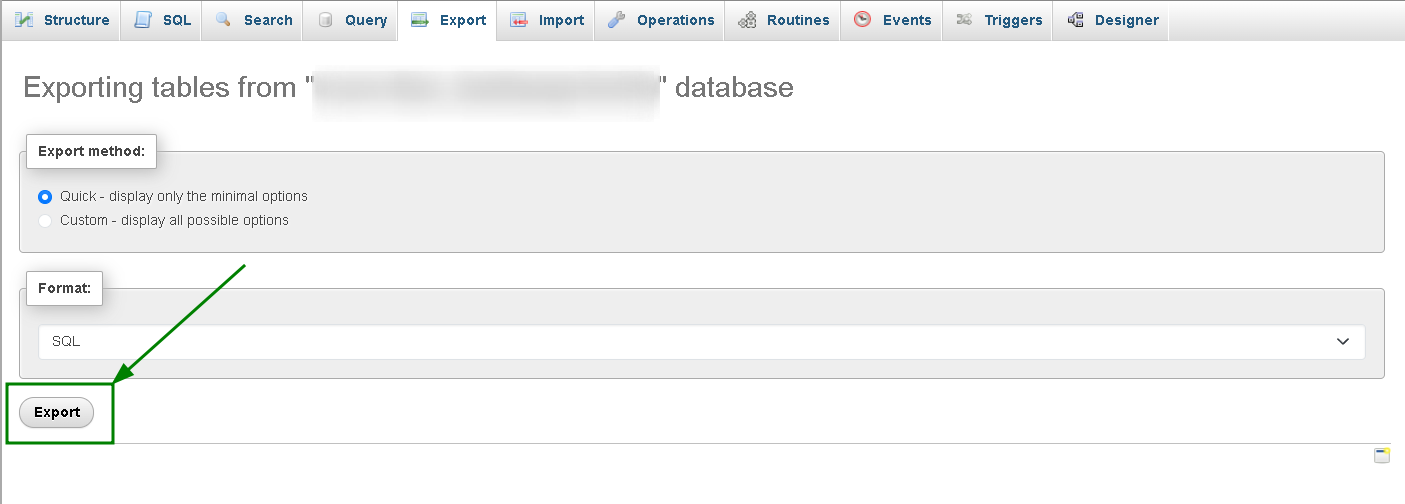
Select your database from the left sidebar. Click the Export tab in the top navigation bar:
Select Quick export format and click Export to download the .sql file:
Done, you have the files and database backed up.
Now, when you have a copy of your files and your database, you can upload them to your account at Namecheap.
To upload a backup of your files, you need to connect to your hosting account with Namecheap via FTP or use the cPanel > Files section > File Manager menu.
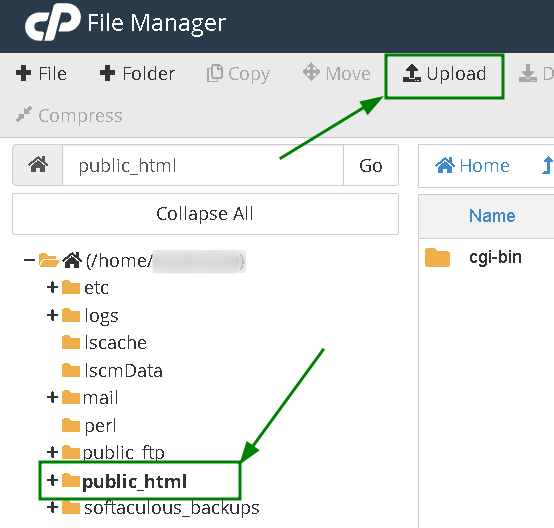
If this is the main domain name, then the backup should be uploaded to the /home/user/public_html/ folder using the Upload button:
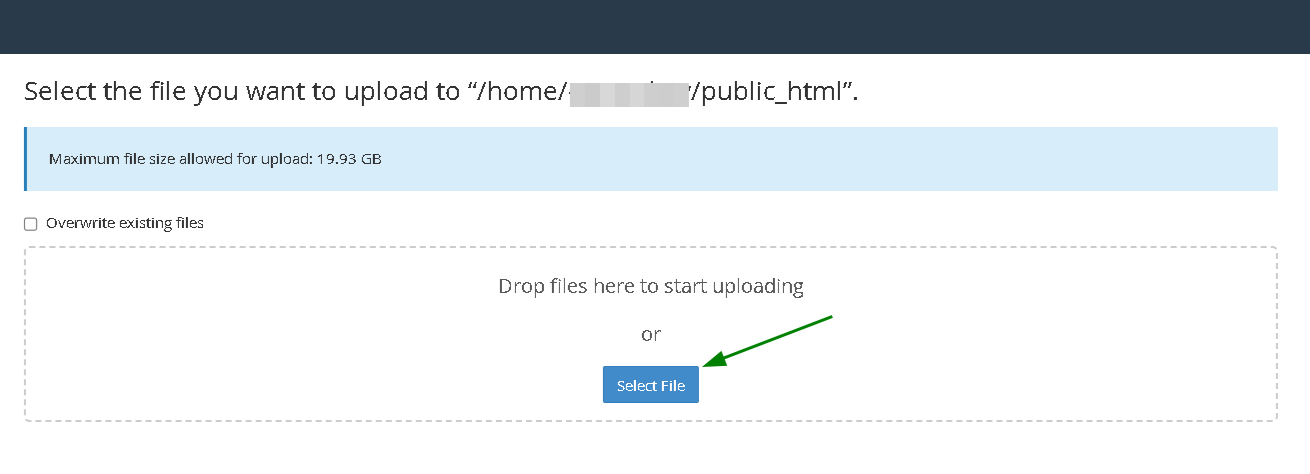
Once prompted to upload the file, choose one from your local storage and proceed with the upload:
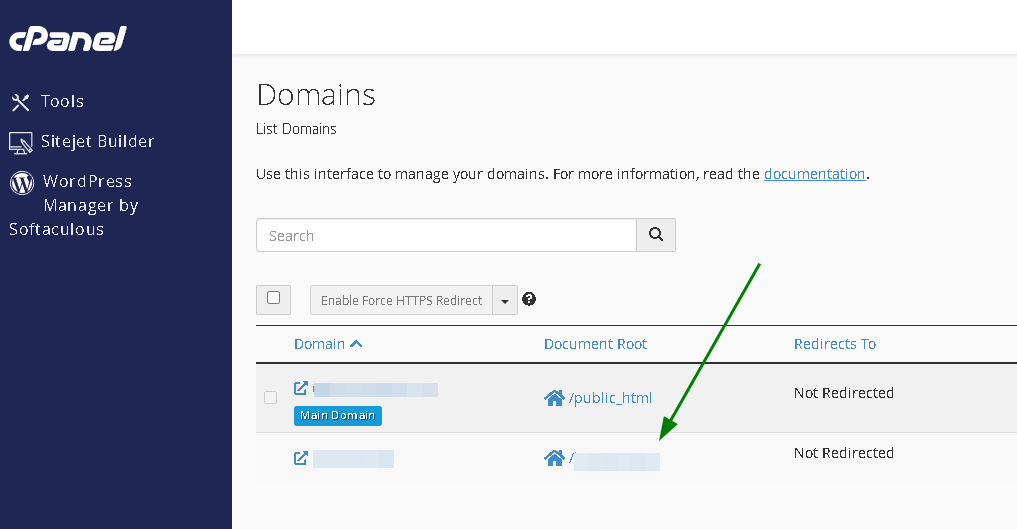
In case it is a backup for an addon domain, you need to upload it to the addon domain root folder, which can be checked in the Domains menu in cPanel:
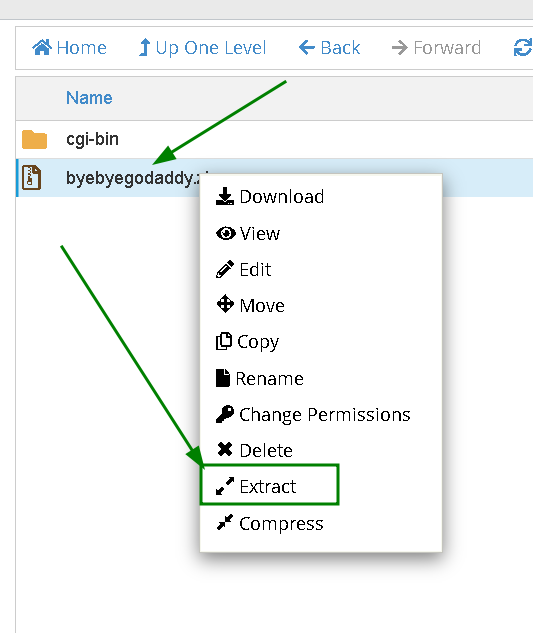
Once the backup is uploaded, you can see it in your folder. Now you need to unpack it. To do that, use the right-click > Extract button:
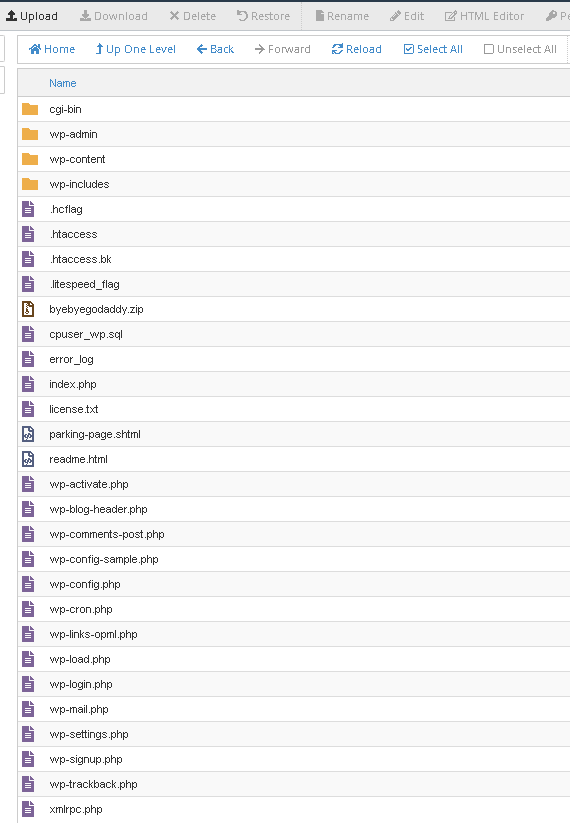
You will see the files of your WordPress:
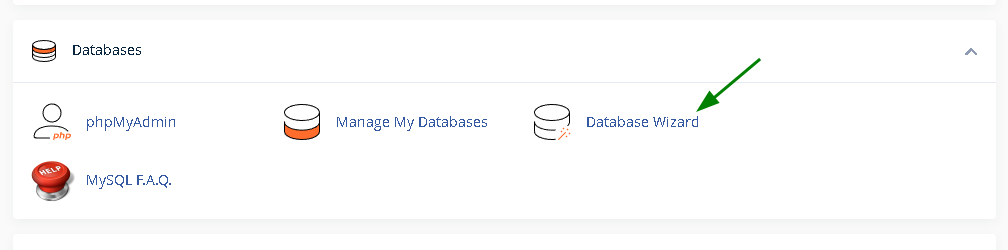
Now you need to import your database. We recommend using the Database Wizard menu to create a database:
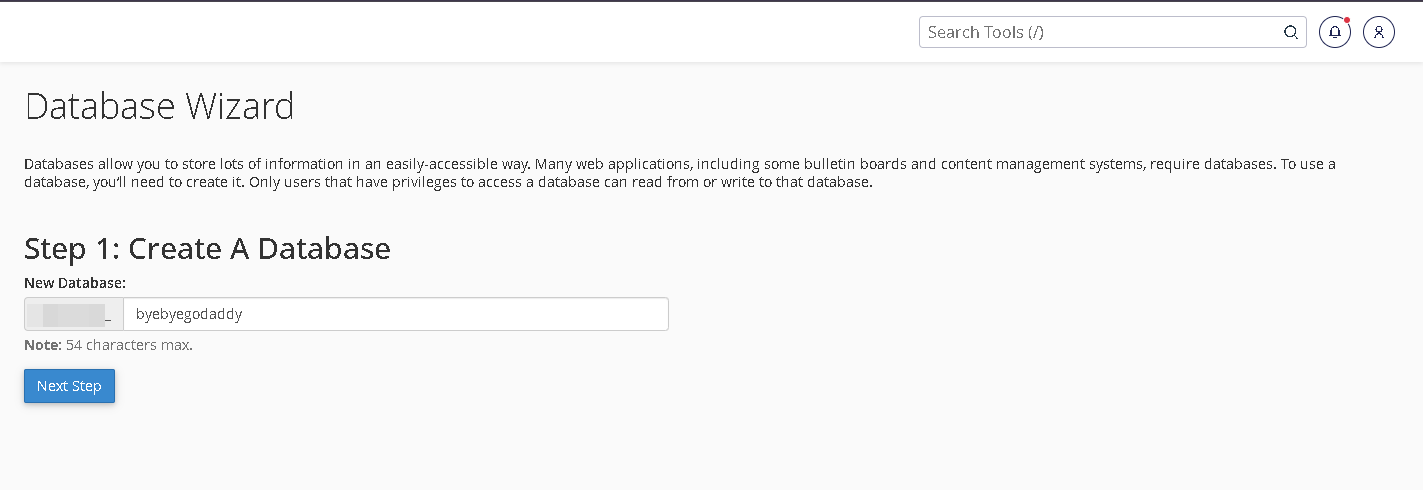
First, you need to specify the name of your new database:
Then you will need to create the user who will be assigned to the database:
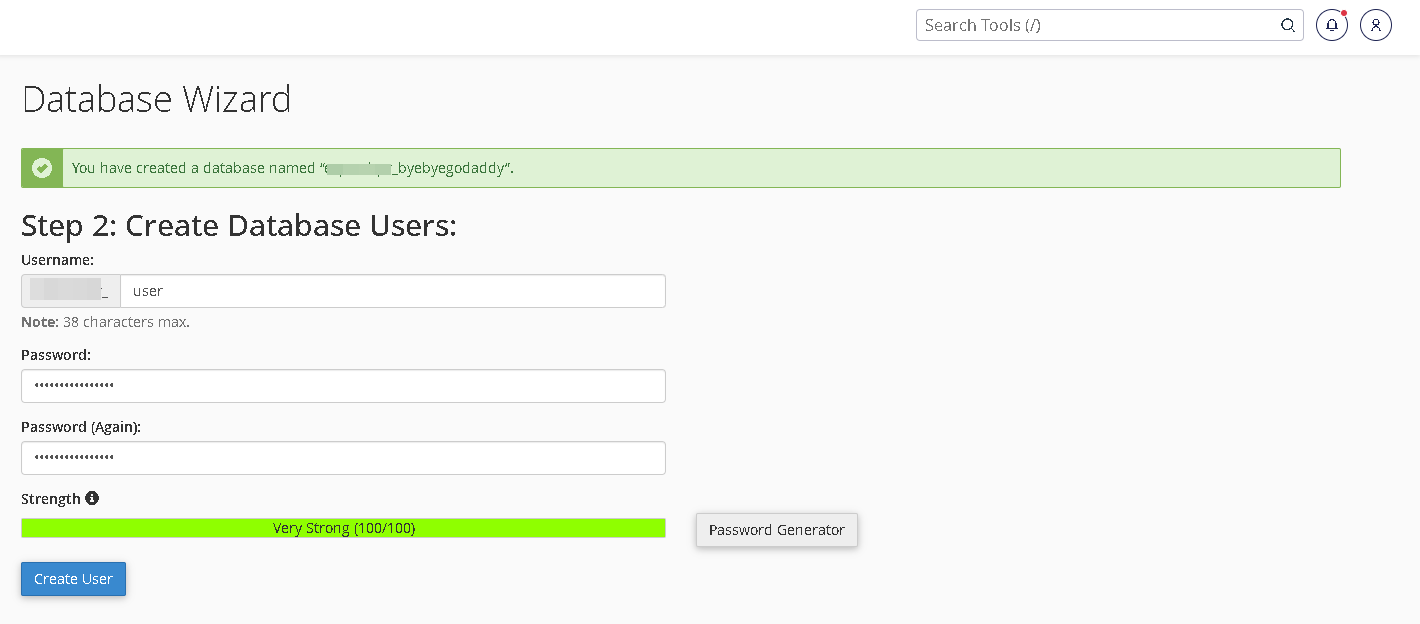
It is strongly recommended to use a strong password and save it somewhere in a safe place. You will need these details soon to modify your wp-config.php file.
Make sure to assign all privileges once prompted:
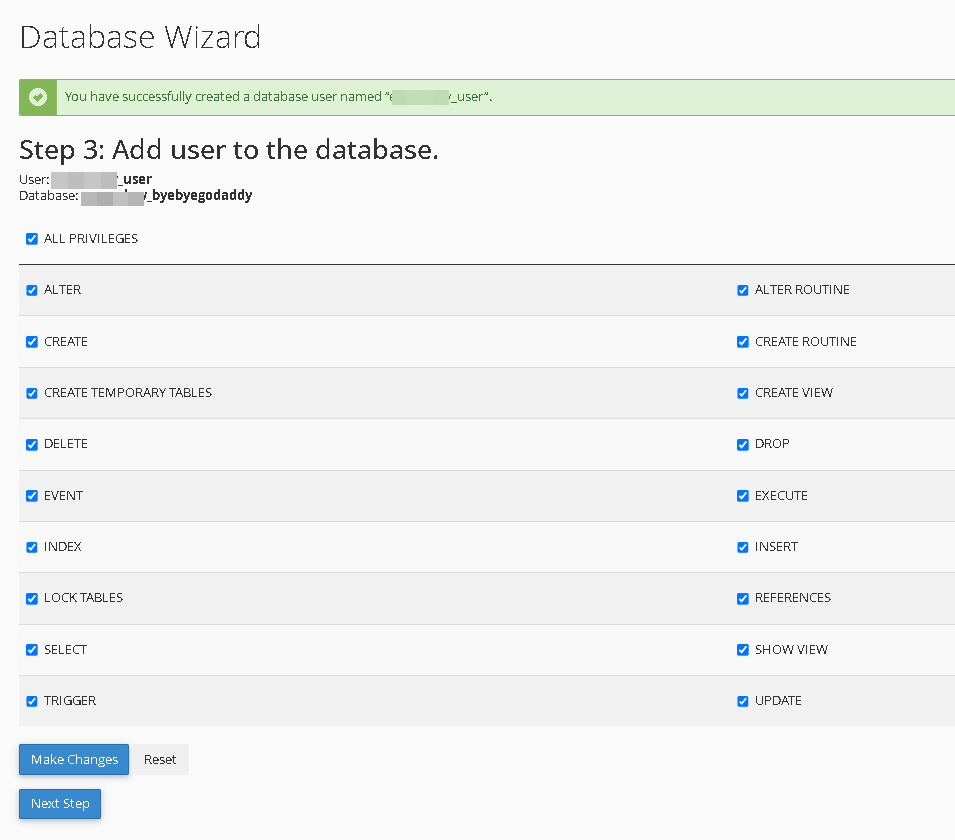
After that, assign the username to the database. Check All Privileges and press Make Changes. As a result, an empty database is created under your cPanel account at Namecheap.
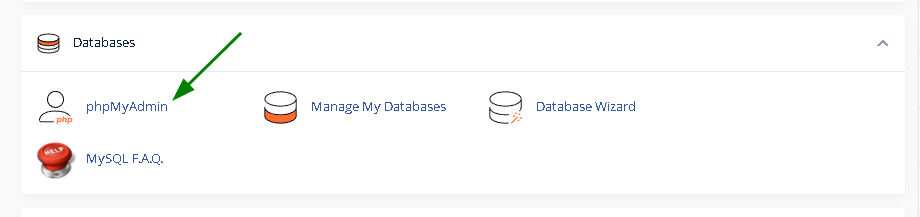
Now you need to import your .sql database into this empty one. To do that, you need to log into phpMyAdmin:
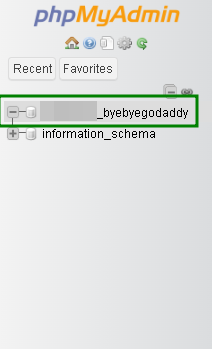
Then you need to find a database that you have created recently:
NOTE: If you are restoring a backup to a domain with a different URL, ensure you update the database URL settings prior to the import as described here.
On the next screen, click on Import:
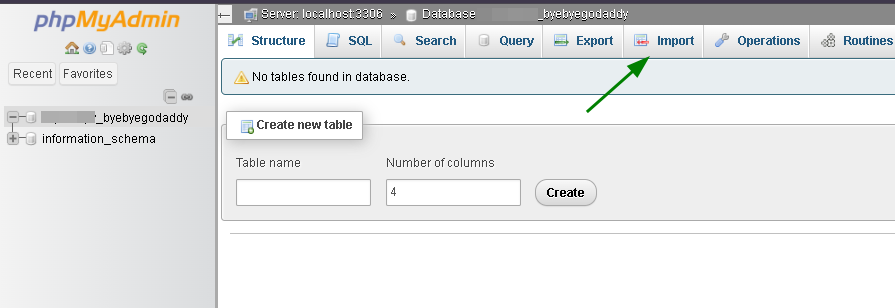
Click Choose File:
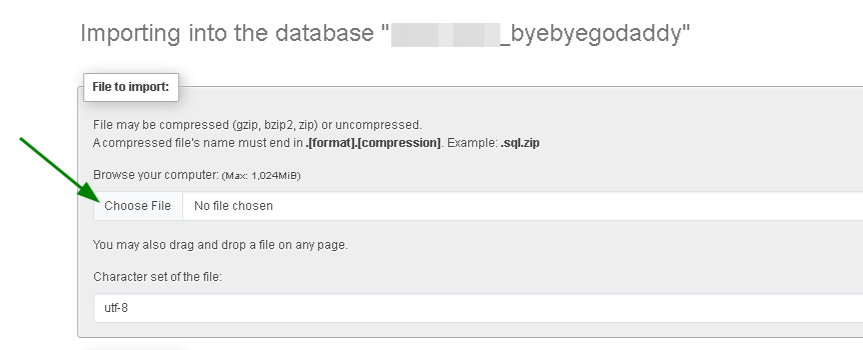
Scroll down the page and click Import:
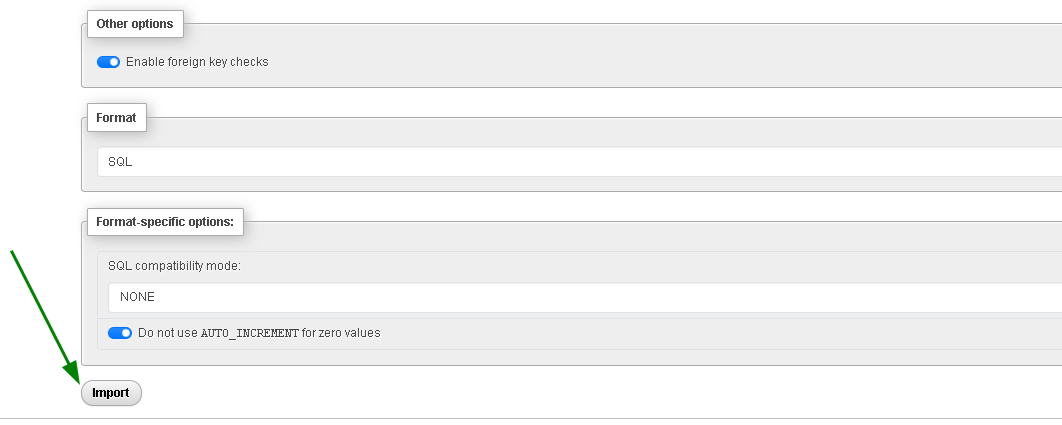
You will see a notification, which means that your database has been imported successfully:
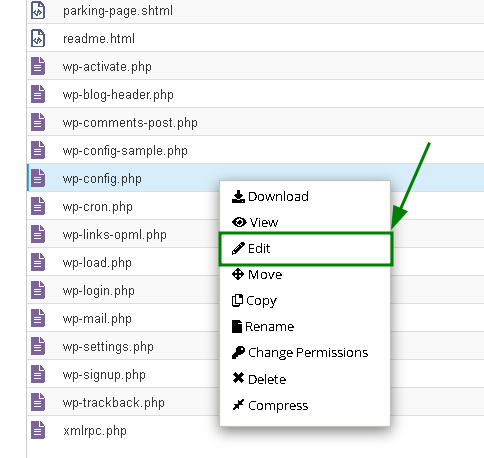
Now you need to make some changes to the wp-config.php file to make your WordPress use the new database. Go to File Manager and find wp-config.php > right click > Edit:
All you need to do is change the values in the following lines:
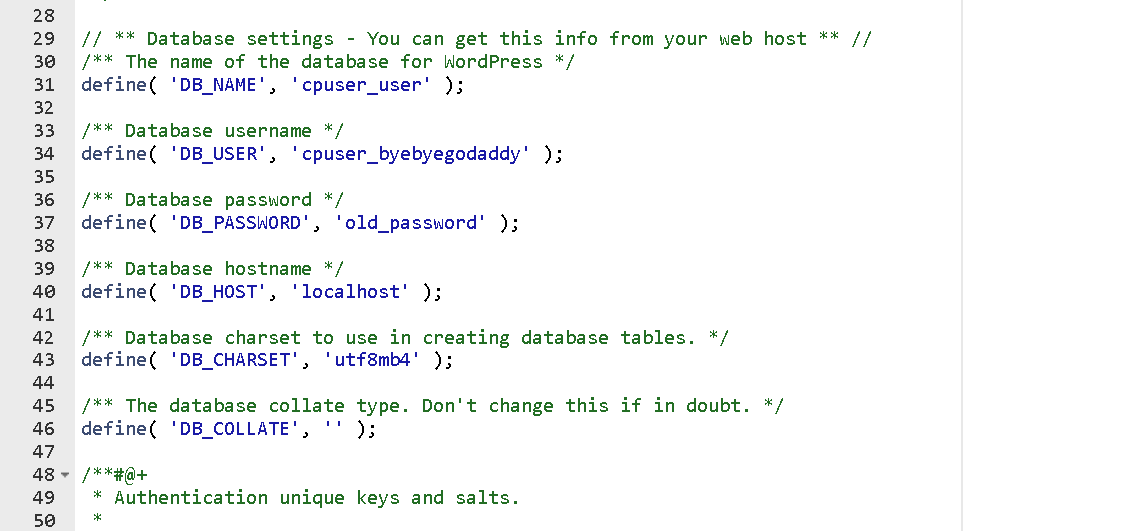
Save the changes in the site configuration file.
Now you have a restored website.
Changing your hosting account moves your website files and databases, but your domain registration remains separate. Once your content has been successfully moved to Namecheap, you can point your domain to your new hosting with us by updating your nameservers on the domain registrar side with the nameservers provided in your welcome email.
Alternatively, if you prefer to keep your domain management and hosting under one dashboard while locking in lower renewal rates, you can initiate a full domain transfer to Namecheap.
Before changing your nameservers or initiating a transfer, we strongly recommend testing how your website functions directly from our server. Following this guide allows you to verify your site's layout and links without risking unexpected downtime.
Keep in mind that DNS propagation can take up to 24–48 hours to update globally across all networks. Additionally, nameservers cannot be modified while an active domain transfer between registrars is in progress, so be sure to point your domain to Namecheap's DNS before starting the transfer process.
With the free Hosting Migration service, our technical specialists handle the entire transfer for you behind the scenes. The migration team ensures a seamless, hands-off migration of your entire cPanel account, including files, databases, and emails.
For a partial site transfer, a partial email migration, or a migration from non-cPanel-based hosting, we assess the process on a case-by-case basis, as we may encounter limitations that can block the transfer. Email can only be migrated from cPanel-based hosting.
New SSL certificates are issued once the domains are pointed to our hosting and are present on the server.
For a complete transfer to be handled by us, make sure the following requirements are met:
Make sure that the source hosting is cPanel-based and remains accessible throughout the transfer for at least 3-7 days.
Keep your account with the old provider active until we confirm the migration is complete and you have checked your website. Do not cancel it before then.
Access to your source hosting account.
Share the login details via a one-time secure share link to provide our Hosting Migration team with the necessary access so they can proceed with the transfer. For security reasons, you may set a temporary password for your source account now, or share your current password and change it once the migration is complete.
If two-factor authentication is enabled on your source account, please disable it for the duration of the migration, or let us know so we can arrange alternative access.
If you already have a hosting plan with us or wish to purchase a new one, let us know. We will check your current account and suggest the best option.
Once you are ready, feel free to submit a transfer request.
Downtime varies based on your migration method, site setup, and DNS propagation. Namecheap’s guarantees—completion within 24 hours and a maximum of 15 minutes of downtime—apply strictly to eligible full cPanel-to-cPanel transfers; manual, partial, or non-cPanel migrations (such as Managed WordPress setups) may take longer.
To prevent service interruptions, keep your website active on GoDaddy while setting up and testing the copy on Namecheap. Always preview the new site before updating your DNS records, and plan ahead for syncing any database or content changes made on GoDaddy during the final cutover.
How long does it take to migrate from GoDaddy to Namecheap?
Namecheap guarantees that standard cPanel migrations are completed within 24 hours from the moment all required account details and credentials are provided.
Note that partial cPanel data migrations for sites and emails often take longer than 24 hours and are evaluated on a case-by-case basis.
Will my website go down during the migration?
Your website remains fully live on GoDaddy while the migration team copies your files and tests everything on temporary preview URLs. You will experience no more than 15 minutes of downtime during the final DNS switch.
Do I need to transfer my domain too, or just hosting?
You can choose to migrate only your hosting, but initiating a domain transfer to Namecheap allows you to manage both your site and domain under one dashboard while locking in lower annual renewal rates and free lifetime Domain Privacy.
Does Namecheap migrate GoDaddy Managed WordPress sites?
Yes. Namecheap's migration team can transfer WordPress sites hosted on GoDaddy Managed WordPress to Managed WordPress or Shared Hosting at Namecheap.
Is there a fee for migrating from GoDaddy to Namecheap?
The website migration service is 100% free for all compatible hosting accounts.
Need help? We're always here for you.